Skip to content
Photograph of the Hadamar killing centre with a smoking chimney, (1941) - Hadamar Memorial Museum

Berlin Experiences/Mythbusting Berlin

Were The Nazi Medical Experiments Useful?

No. Apart from the Pernkopf anatomical atlas, they were scientifically worthless. Their legacy is the ethical rules they forced, like the Nuremberg Code.

By Matt Robinson · Updated · 17 min read

“[T]his story has to be told and retold to honor those who were victims. Their heroic deeds should not be lost in history but must be irremovably secured in it”
Edzard Ernst MD, PhD, Emeritus Professor, Exeter University

War expedites many things. First and foremost, the premature arrival of death. In many instances not only premature, but randomly assigned.

Of all the things that make the Second World War exceptional, that many of those deaths would be scripted, ordered directly from above, and directly named, stands out. The genocides carried out by the Nazi regime were bureaucratic exercises in documentation – birthing the term ‘Desktop Murderers’ (Schreibtischtäter).

To that describable mass, we must also include those individuals who were chosen and subjected to medical experimentation. Thousands of prisoners and patients, whose only destination was death, used as test subjects in what were often bizarre and highly suspect practices.

–

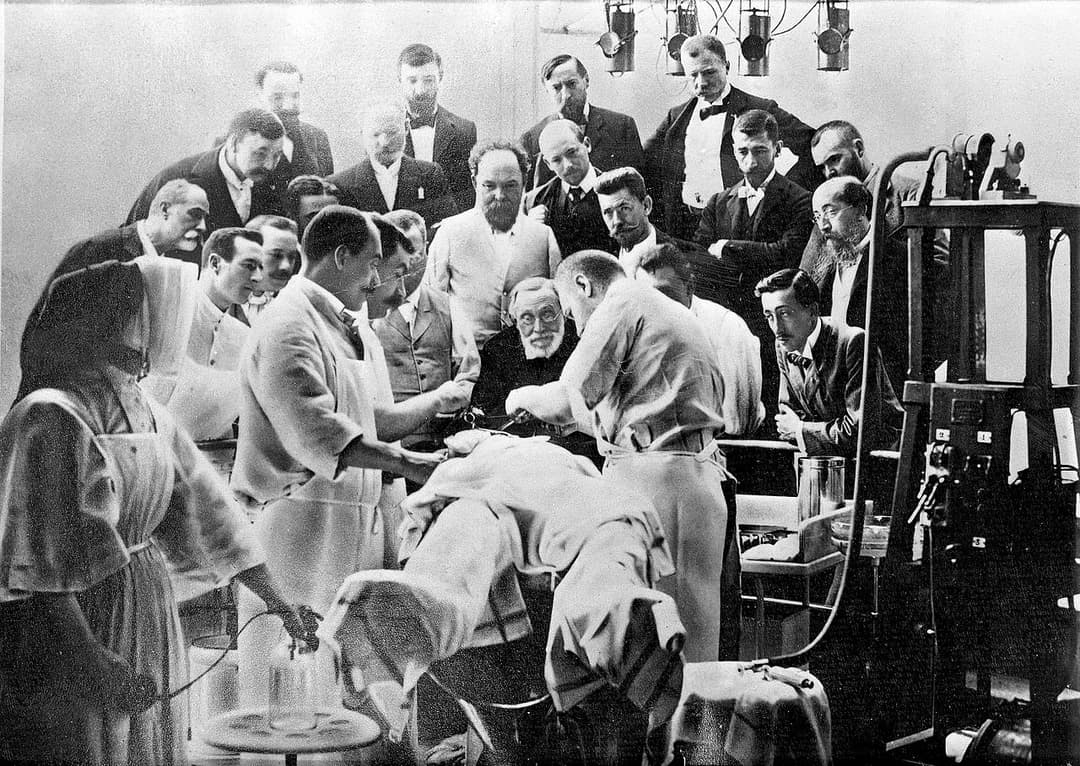
Rudolf Virchow (centre) observing an operation on a patient's skull - Public Domain

National Socialism - The Rise of Modern Medicine & Medical Language

“Medicine is a social science, and politics is nothing else but medicine on a large scale.”
Rudolf Virchow (1821-1902), often called the “Father of Modern Pathology”

The German medical profession of the 1800s was a landscape populated by giants: Rudolf Virchow, the father of modern pathology; Robert Koch, who identified the agents of tuberculosis and cholera; Paul Ehrlich, the pioneer of chemotherapy. German universities were magnets for the brightest minds, their laboratories crucibles of innovation. Medicine was a source of immense national pride, a symbol of German intellect and its contribution to human progress.

For instance, more than half of all German Nobel Prize winners in Physiology or Medicine worked at Berlin’s Charite hospital.

But this noble edifice was built on foundations that proved unnervingly susceptible to corruption. The language of late 19th and early 20th-century medicine was one of public health, of hygiene, and of the collective well-being of the population.

It was a short, horrifying journey from nurturing the health of a nation to purging it of “impurities.”

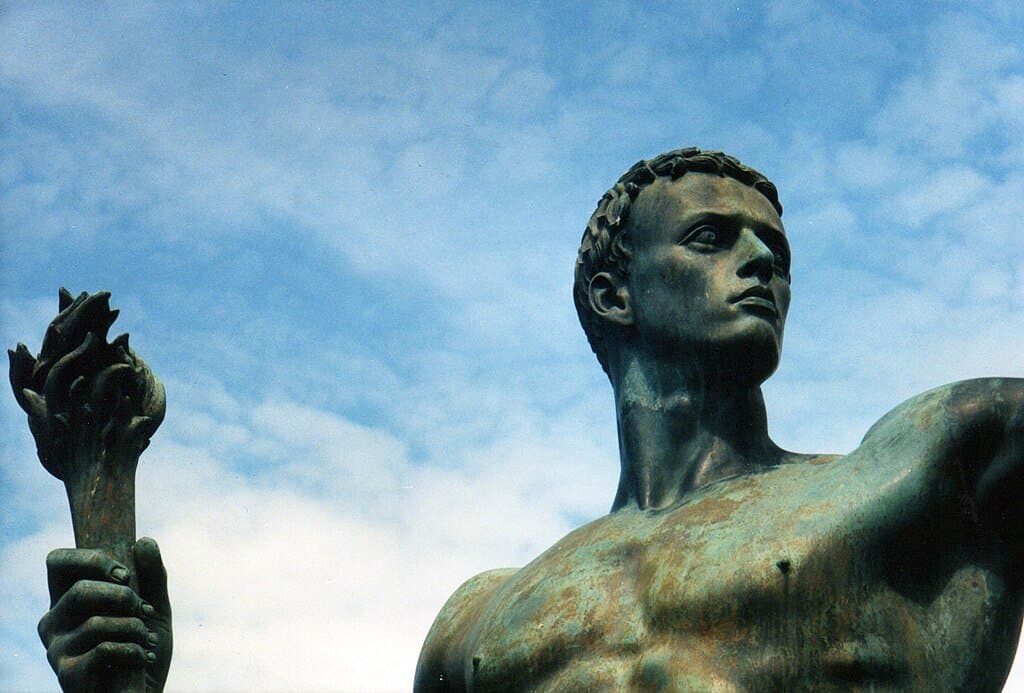
Arno Breker's 'The Great Torchbearer' (1939) and depiction of German racial purity - Public Domain

The National Socialist ideology, with its obsessive focus on racial purity and the mystical concept of the Volkskörper—the ‘people’s body’—found a fertile ground in this medicalised worldview. The Nazi regime brilliantly and perversely co-opted this language.

The state, not the individual, was the primary patient. Political and social problems were reframed as biological threats.

The Jewish people were no longer simply a different religious or ethnic group; they were, in the words of Nazi propaganda, a “gangrenous appendix,” a “cancer” gnawing at the healthy flesh of the Aryan race.

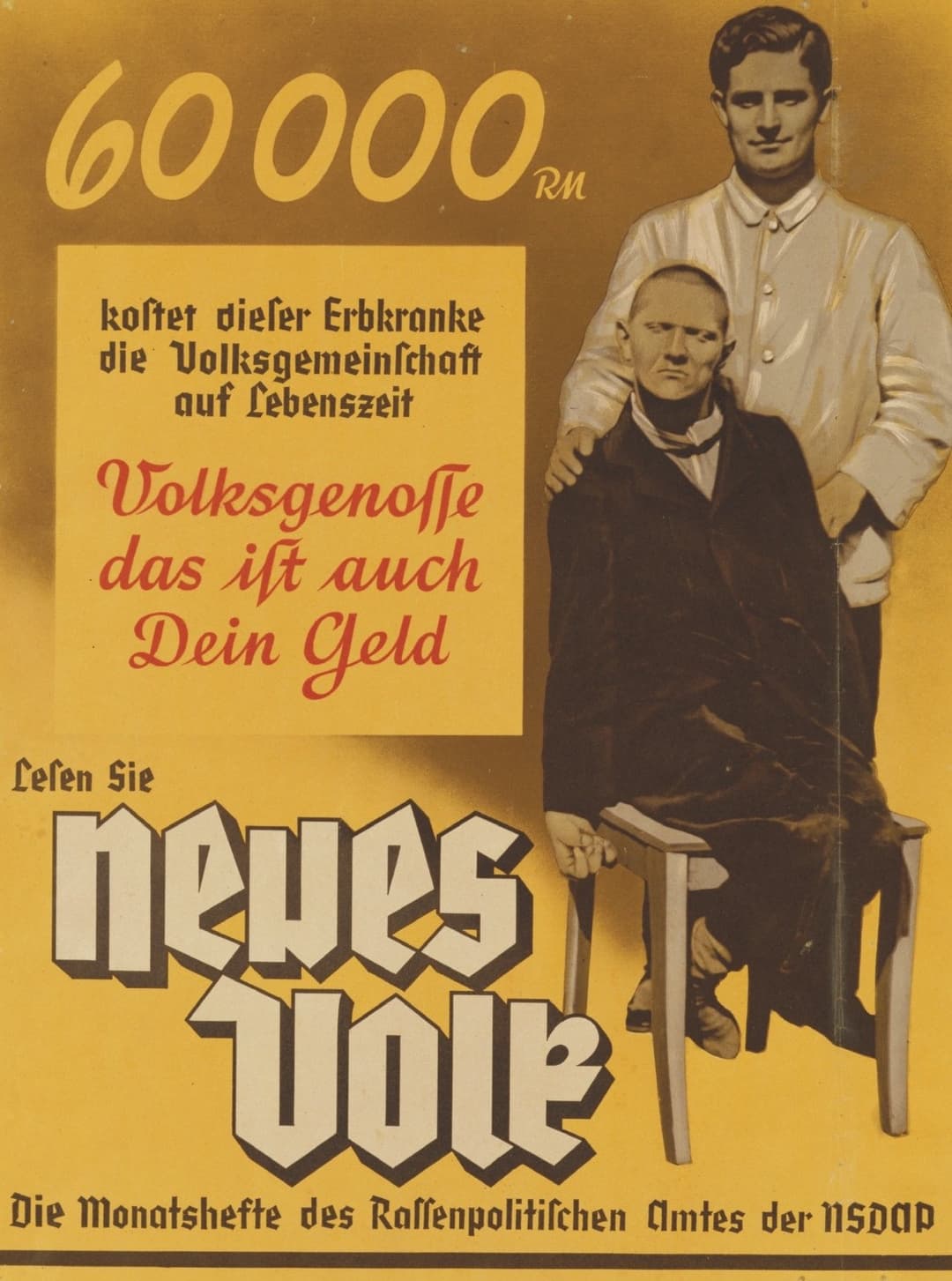
People with disabilities, both mental and physical, were deemed ‘Lebensunwertes Leben’ (‘life unworthy of life’), a genetic and economic burden on the productive national body.

A Nazi propaganda poster detailling the burden of 'Useless Eaters' - Public Domain

The Hippocratic Oath, with its sacred duty to the individual patient, was swept aside by a new, brutal imperative: the biological destiny of the Master Race.

This wasn’t just rhetoric; it was state policy, meticulously planned and executed.

It was from the field of German medicine – which boasted of the highest voluntary membership of the Nazi Party of any profession in the country – that many of the men and women who would facilitate the mass murder of millions came. Where the methods implemented across occupied Europe for disposing of those unwelcome in the ‘Volksgemeinschaft’ were developed.

The direct predecessors to the six Nazi extermination camps (Vernichtungslager) – Chełmno, Belzec, Sobibor, Treblinka, Majdanek and Auschwitz – were the six main killing centres of the T4 programme – Grafeneck, Brandenburg, Bernburg, Hartheim, Sonnenstein, and Hadamar.

Medical murder would serve as the precursor to industrialised mass murder.

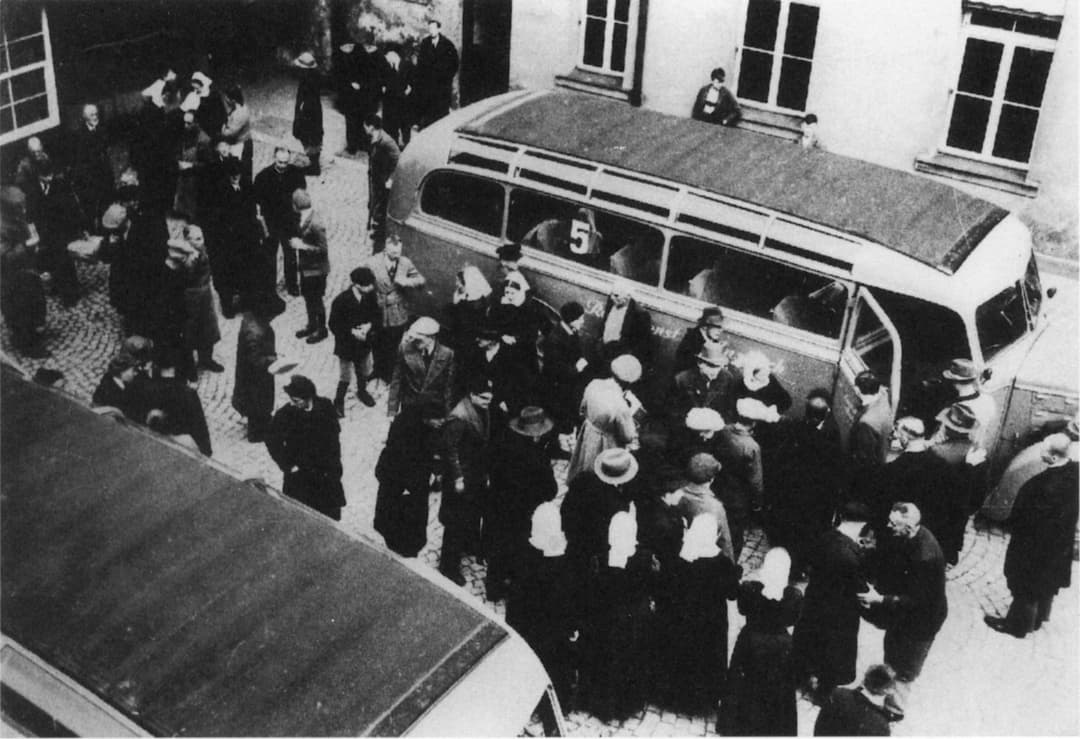
Transfer of disabled people as part of the euthanasia 'Aktion T4' from Schloss Bruckberg (1941) - Public Domain

Overseen from a nondescript villa at Tiergartenstrasse 4 in Berlin, the so-called ‘T4 Programme’ was the systematic, secret murder of an estimated 300,000 individuals targeted as being worthy of a merciful death (‘Gnadentod’). Spearheaded by doctors like Karl Brandt, Hitler’s personal physician, and Philipp Bouhler, it was presented as a compassionate, ‘euthanasia’ program to relieve suffering. In reality, it was a cold-blooded campaign of economic and eugenic cleansing.

Doctors, nurses, and caregivers across the Reich were instructed to report on patients who were incurable or unproductive. These reports were then reviewed by a panel of T4 doctors who, often without ever seeing the patients, would mark a form with a red ‘plus’ for death or a blue ‘minus’ for life. Those marked with the red plus were transported to one of the six killing centres. 

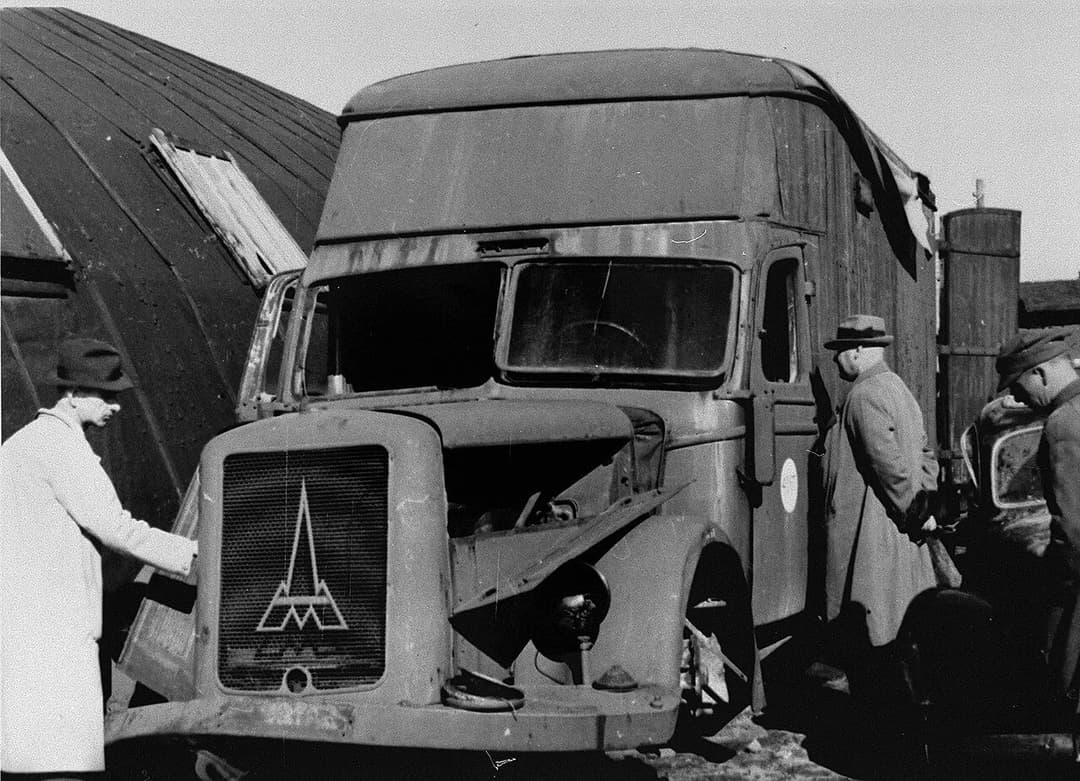
There, in facilities disguised as sanatoriums, they were led into rooms designed to look like showers and murdered with carbon monoxide gas – others receiving lethal injections, many also asphixiated in purposely constructed ‘gas vans’ with sealed rear compartments.

A Magirus-Deutz gas van found in Koło (Kolo), Poland, not far from the Chełmno (Kulmhof) extermination camp (1945) - Public Domain

Aktion T4 was the Nazi regime’s medical dress rehearsal for the Holocaust.

It was here that the process of mass gassing was perfected. It was here that a bureaucracy of murder was established, complete with falsified death certificates and condolence letters sent to grieving, deceived families.

And, most terrifyingly, it was here that an entire generation of medical professionals was morally anaesthetised, taught to see killing not as a violation of their oath, but as a form of ‘healing’ for the larger Volkskörper. 

Their victims – where they served any purpose at all – simply fodder in a greater struggle.

–

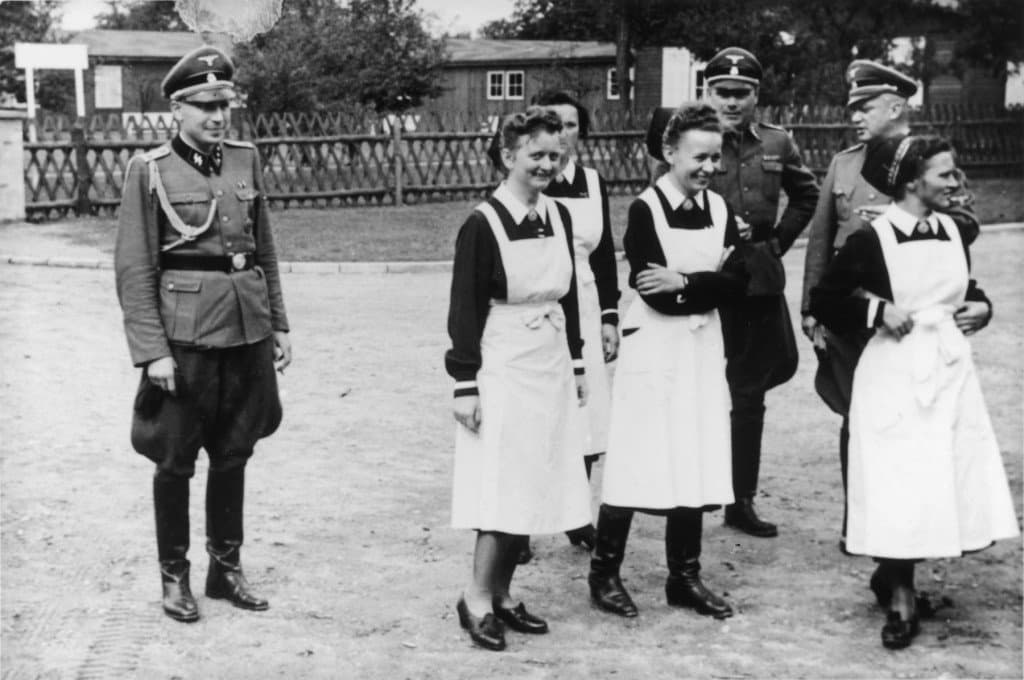
SS officers and German nurses gather during the dedication ceremony of the new SS hospital in Auschwitz (1944) - US Holocaust Memorial Museum

The Nazi Medical Experiments

“The participation in the ‘betrayal of Hippocrates’ had a broad basis within the German medical profession. Without the doctors’ active help, the Holocaust could not have happened.”
E Ernst – author of ‘The Third Reich – German Physicians Between Resistance and Participation’ (2001)

The medical experiments conducted in the Nazi camps and facilities were the ultimate expression of this depraved ideology.

Here, human beings, stripped of their names, their rights, and their dignity, were reduced to mere biological material, their bodies nothing more than a resource for the Nazi state. The sheer variety and sadism of the experiments are staggering, a catalogue of horrors driven by a mix of military necessity, ideological fanaticism, and grotesque scientific curiosity.

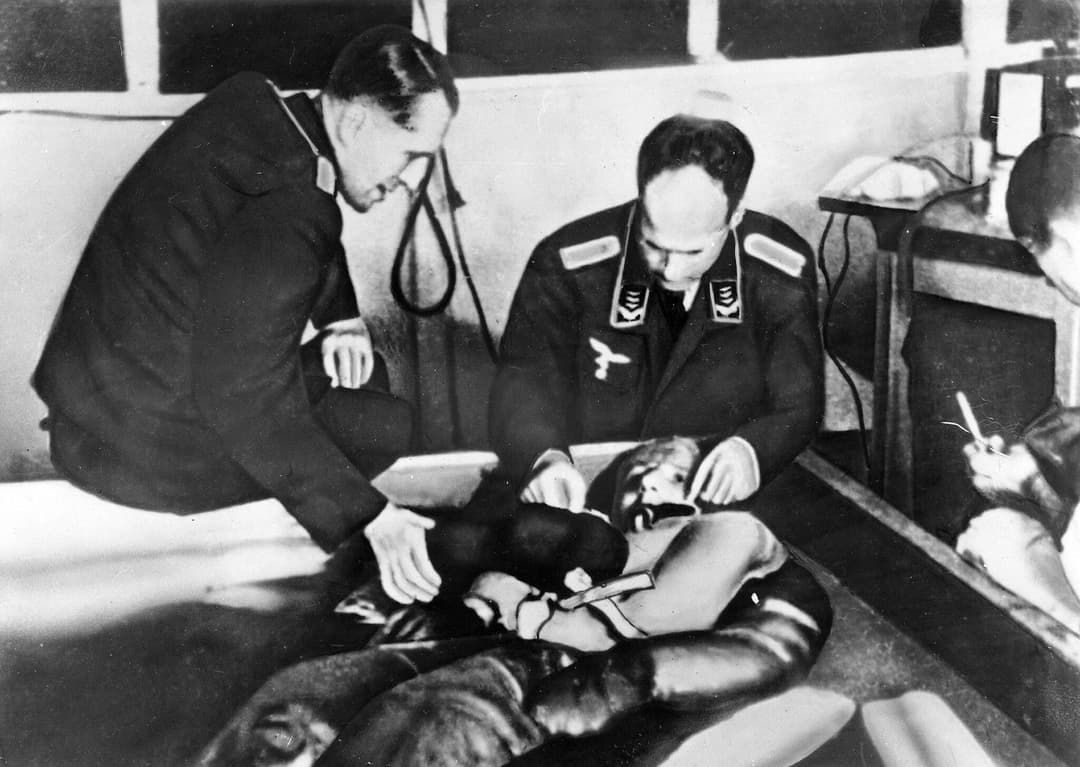
A cold water immersion experiment at Dachau concentration camp presided over by Ernst Holzlöhner (left) and Sigmund Rascher (right) - Public Domain

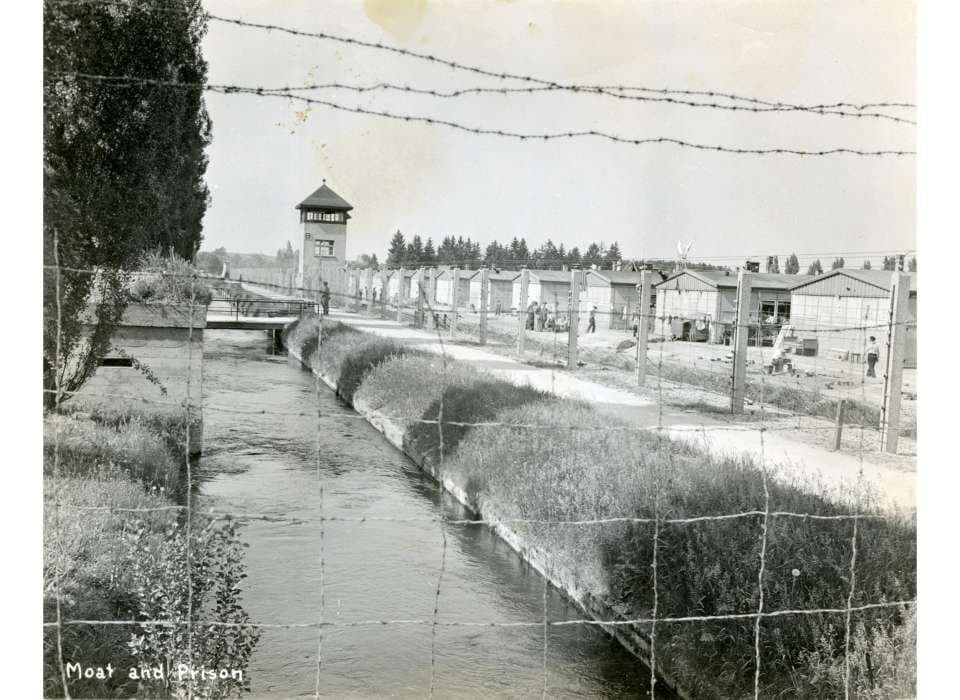
At the Dachau concentration camp, SS doctor Sigmund Rascher conducted a series of infamous hypothermia experiments. Ostensibly, the goal was to find better ways to treat German Luftwaffe pilots who had been shot down over the frigid North Sea. To simulate these conditions, prisoners were either forced into vats of ice water or strapped naked to stretchers and left outside in the freezing Bavarian winters.

Witnesses at the later Nuremberg Doctors’ Trial gave harrowing testimony. They described prisoners thrashing and screaming in the icy water, their pleas echoing through the barracks. Rascher and his assistants meticulously recorded the decline: the drop in core body temperature, the fibrillation of the heart, the eventual loss of consciousness and death. Some men were recorded as crying out for their mothers in their final, delirious moments. Rascher’s reports to Heinrich Himmler were chillingly dispassionate, noting that death usually occurred once the body temperature dropped below 28°C (82.4°F).

The “research” didn’t end with death. Equally horrific were the attempts at rewarming the frozen, often still-living, victims. They were subjected to boiling hot water baths which caused massive shock and excruciating pain. In one particularly perverse series, Rascher investigated “animal warmth,” forcing four Romani women to strip and attempt to sexually stimulate a frozen prisoner with their bodies.

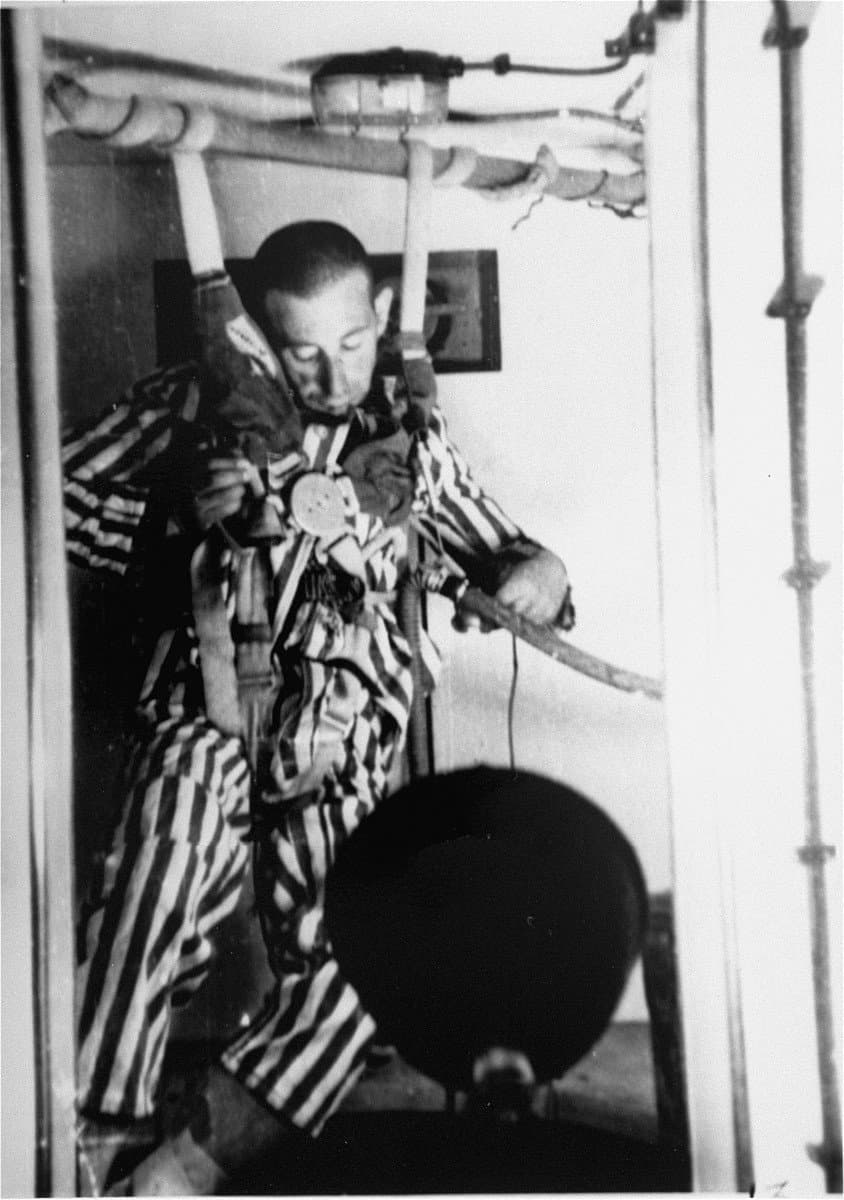
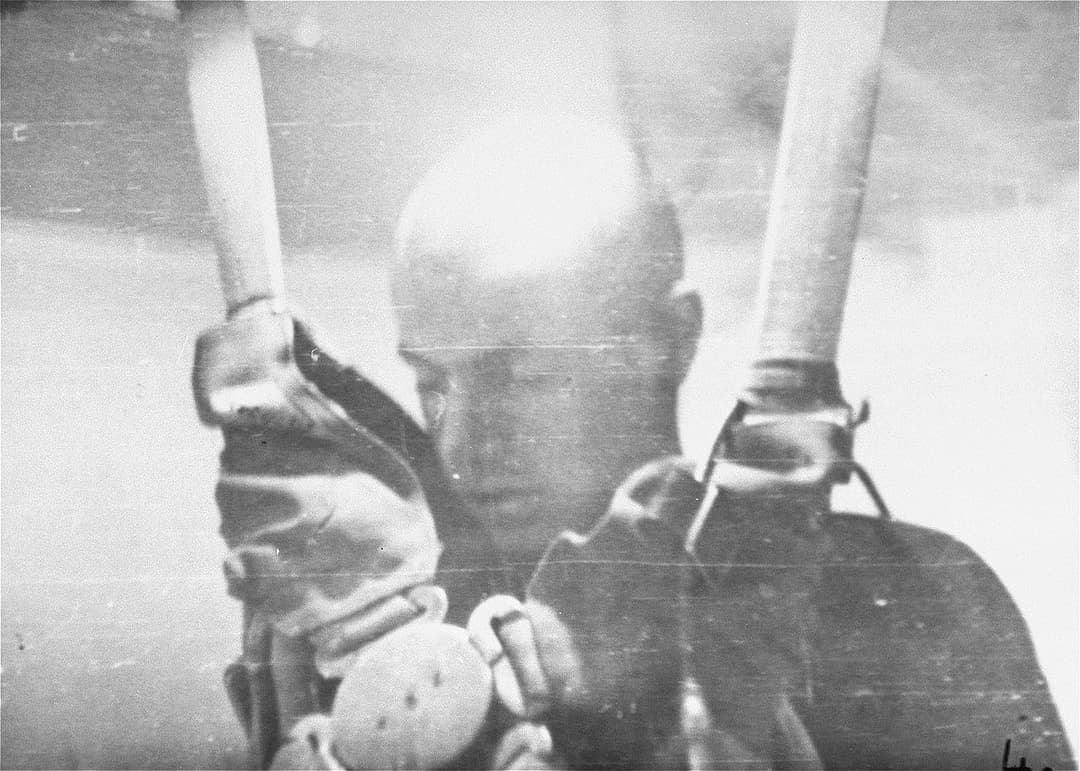
A victim loses consciousness during a depressurization experiment at Dachau by doctor Sigmund Rascher (1942) - Public Domain

Rascher’s “work” also included high-altitude experiments, designed to help pilots survive ejection at extreme heights. For this, a mobile low-pressure chamber was brought to Dachau. Prisoners were locked inside while technicians simulated the thin air and lack of oxygen found at altitudes of up to 68,000 feet.

The effect on the human body was catastrophic. As the pressure dropped, the oxygen in the victims’ blood boiled, causing severe embolisms. They would writhe in agony, gasping for air, foaming at the mouth, and contorting in violent convulsions as their lungs hemorrhaged and their brains swelled.

Dr. Leo Alexander, an American medical consultant at the Nuremberg Trials, described Rascher’s own notes, which detailed live vivisections on victims who had survived the initial trauma. 

Rascher would cut open their skulls while they were still conscious to observe the effects of air embolism on the blood vessels of the brain. His scientific detachment in the face of such suffering remains one of the most chilling aspects of the entire affair.

It is possible to find parallels with the wickedness of Rascher’s professional conduct in the scandalous and repugnant personal life of the Nazi doctor and his wife. The couple were touted by the SS finding ways to extend female childbearing age – as Rascher’s wife, Karoline, had given birth to three children even after reaching 48 years of age. Or so it seemed. 

SS doctor, Sigmund Rascher, and one of 'his children' - Public Domain

When it was discoverd on the arrival of her fourth child that the couple had either kidnapped or bought their children, Rascher was sent to Buchenwald concentration camp as a prisoner, without trial. His wife similarly sent to Ravensbrück.

Neither would survive the war to face responsiblity for their crimes and be confronted by their surviving victims – both Sigmund Rascher and Karoline having been executed by the SS in April 1945.

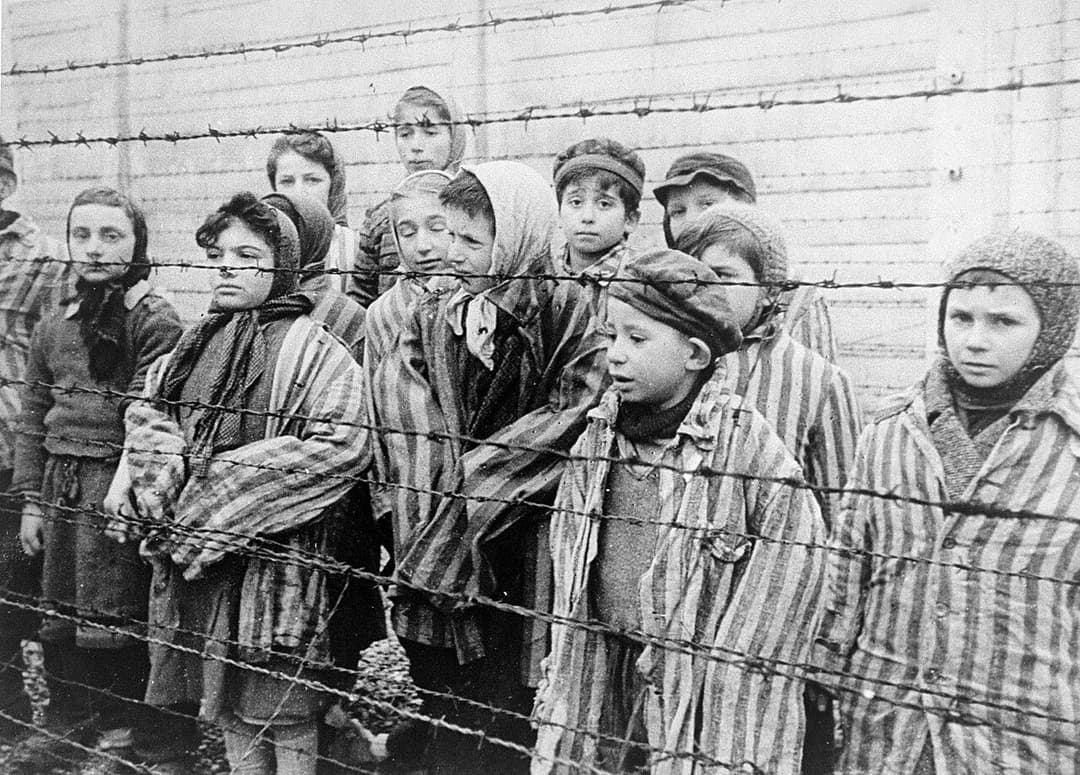
Children at Auschwitz (1945), survivors of Mengele's selection - Public Domain

No figure embodies the depravity of Nazi medicine more than Dr. Josef Mengele, the “Angel of Death” at Auschwitz. Mengele would stand on the selection ramp, whistling opera as he condemned hundreds of thousands to the gas chambers with a flick of his riding crop. But his real passion was ‘research’.

Mengele was obsessed with genetics and the supposed biological markers of race. He established a grotesque human laboratory focusing on twins, dwarfs, and individuals with physical abnormalities. Twins were especially prized.

He would subject them to hours of excruciatingly detailed measurements and examinations. Then the real experiments would begin. He injected diseases like typhus and tuberculosis into one twin and not the other to have a ‘control’ for his studies. He would drip chemicals into children’s eyes in an attempt to change their colour to Aryan blue, causing severe pain and blindness.

When his experiments were concluded, or if one twin died from disease, his protocol was simple and unvarying: the other twin would be murdered immediately with a direct injection of phenol to the heart. Few survived to tell the tale.

This allowed Mengele to perform comparative autopsies, searching for the genetic secrets he believed would unlock the key to Nazi racial supremacy. 

His work produced no scientifically valid conclusions; it was the manifestation of a murderous obsession, science as a tool for sadism.

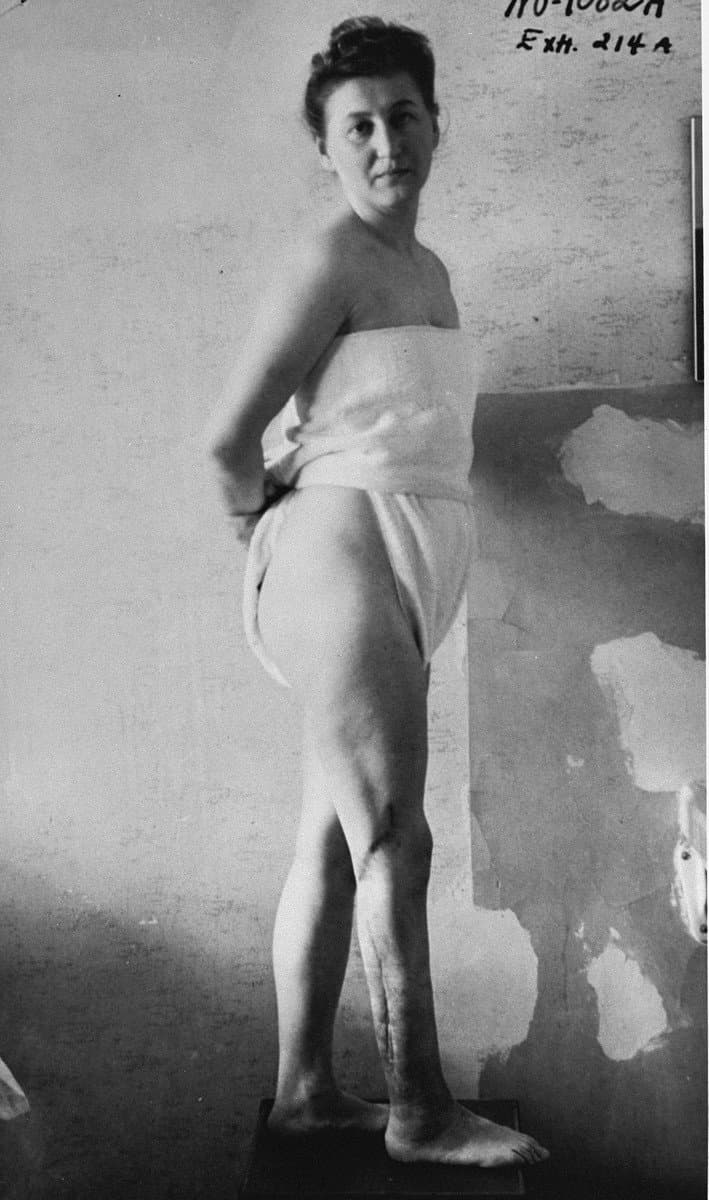
Photograph of Ravensbrück concentration camp prisoner Jadwiga Dzido (1918-1985) revealing the scars to her leg caused by Nazi medical experiments (1947) - Public Domain

At Ravensbrück, the concentration camp for women, SS Dr. Karl Gebhardt, personal physician to Heinrich Himmler, focused on battlefield medicine. To test the efficacy of the new class of sulfanilamide drugs, he and his colleagues simulated the combat wounds suffered by German soldiers on the Eastern Front.

Their subjects were a group of young Polish women, mockingly referred to as Kaninchen, or “Rabbits.” Without anaesthesia, the women’s legs were cut open and the wounds deliberately infected with aggressive bacteria like streptococcus, gas gangrene, and tetanus. To better simulate a dirty wound, the doctors would stuff the incisions with soil, shards of glass, and wood shavings. After days of agony, as the infections raged and threatened to kill them, they would test their drugs. Others were subjected to bone-grafting experiments, their limbs broken and segments of bone removed to see if they would regenerate.

Many of the survivors were left permanently maimed, their bodies scarred by a ‘science’ that treated them as nothing more than laboratory animals.

These are but a few of the litany of horrors.

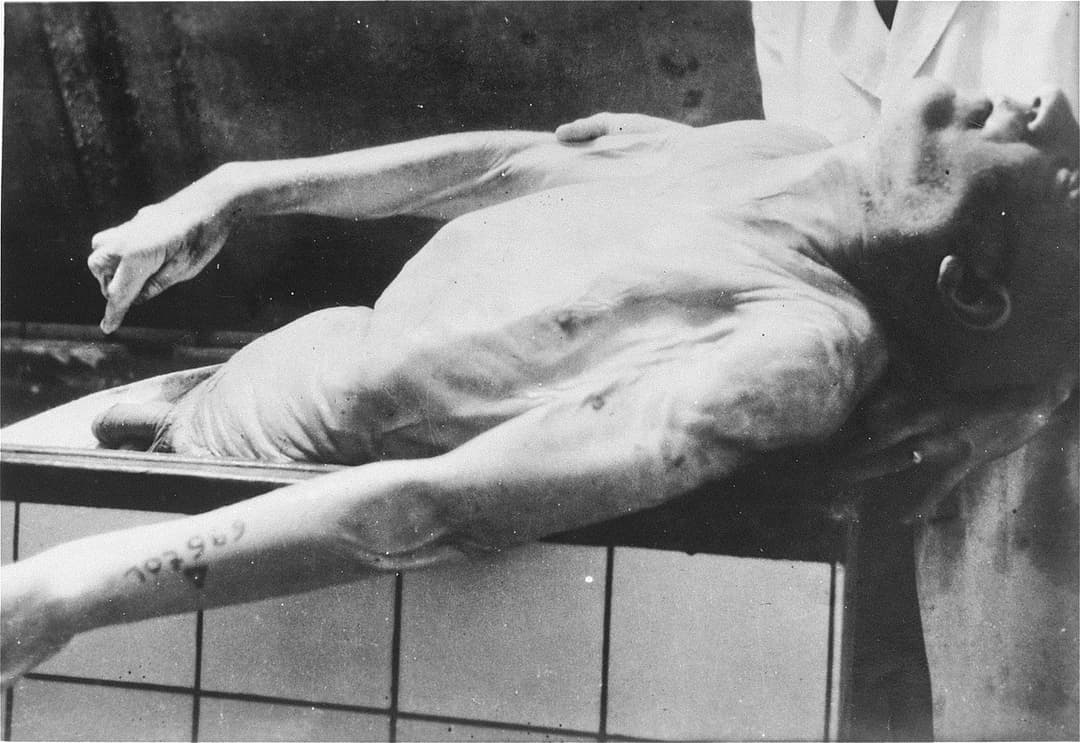
Menachem Taffel's body, part of the Jewish Skeleton Collection at Natzweiler-Struthof Camp - Public Domain

Elsewhere, doctors conducted seawater experiments to see if it could be made potable for sailors adrift at sea (it could not), typhus vaccine trials that involved infecting prisoners to cultivate the virus, and sterilisation experiments using X-rays, surgery, and caustic chemicals, all in the service of a regime that saw human life as a means to a malevolent end.

At Natzweiler-Struthof camp, prisoners were deliberately gassed with phosgene to test potential antidotes. Led by SS doctors like Otto Bickenbach, the research was driven by the fear that Allied forces would deploy the chemical weapon. While the goal was specific, the methodology was barbaric and the results were useless, providing no effective cure. The only ‘knowledge’ gained was a more precise understanding of the agonising way a human being is killed by phosgene—knowledge that serves no therapeutic purpose.

At Sachsenhausen, young Jewish boys were subject to sexually transmitted diseases in order to find ways to better treat the suffering of German soldiers in the occupied territories who in cavorting with the locals picked up more than a cold.

Some of the experimentation was less shocking – with prisoners at Dachau concentration camp subject to herbal remedies. The camp at that time hosted the largest medicinal garden in Europe, with a variety of plants, including gladioli, peppergrass, chili, blackcurrant, sage, and thyme.

The modus operandi in all of these experiments would, however, remain the same – prisoners and patients experimented on without their consent and in complete disregard for their overall health and wellbeing.

–

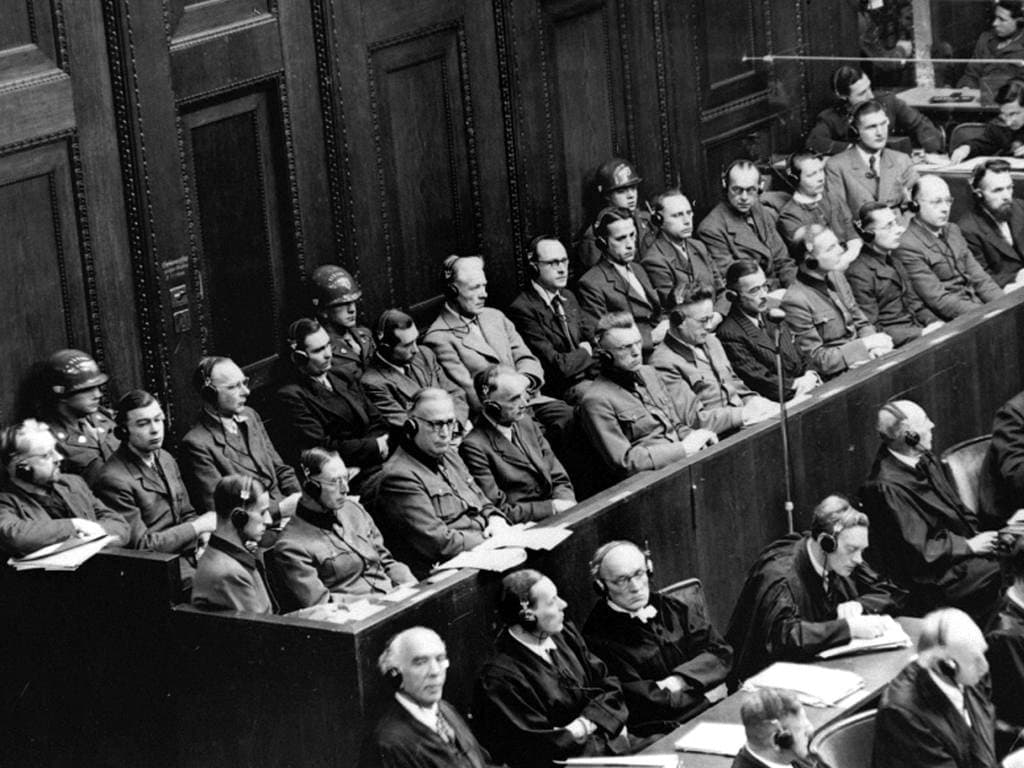
The defendants at the Nuremberg Doctor's Trial (1947-48) - Public Domain

The Ethical Dilemmas

“The wrongs which we seek to condemn and punish have been so calculated, so malignant and so devastating, that civilization cannot tolerate their being ignored because it cannot survive their being repeated.”
Telford Taylor, Chief Counsel for the prosecution at the Nuremberg Doctors’ Trial (1947)

After the war, the full, sickening scope of these experiments was laid bare at the Nuremberg Doctors’ Trial.

More than 350 doctors would be brought to trial for their involvement in suspect practices and grotesque medical experimentation. Their defence was simple: that there was no international law to distinguish between legal and illegal human experimentation.

The world was confronted with an agonising question: what do we do with the data? Can knowledge born of such profound suffering ever be used? To discard it – if it were useful – would be to consign the victims’ agony to utter meaninglessness.

Yet to use it would feel like a posthumous victory for the Nazi doctors, a tacit acceptance of their methods.

Dachau Concentration Camp in action - Public Domain

This debate crystallised around the findings from the Dachau hypothermia experiments. For years, some corners of the scientific community argued that Rascher’s data, however tainted, was unique. No ethical modern study could ever replicate the conditions of freezing a human being to the point of death. Proponents argued that this data, which found its way into some textbooks and scientific papers, could save the lives of pilots, mountaineers, or anyone exposed to extreme cold.

However, a closer look revealed a devastating truth.

Not only was the research morally bankrupt, but it was also largely fraudulent and scientifically useless.

Dr. Robert Berger of Harvard Medical School published a comprehensive review in the New England Journal of Medicine in 1990, concluding that the Dachau data was riddled with inconsistencies, methodological flaws, and outright fabrication. Rascher’s understanding of physiology was rudimentary, and the poor health of the starving, brutalised prisoners meant their reactions to cold were simply not representative of healthy soldiers.

The consensus today is clear: the data is not only tainted, it is unreliable.

The debate itself during the post-war period, however, proved invaluable, forcing the medical world to create ethical firewalls to prevent such a thing from ever happening again.

The most important of these was the Nuremberg Code of 1947, a landmark document that for the first time enshrined the principle of “voluntary, informed consent” as the absolute bedrock of ethical human research.

Yet the ghosts of this era still haunt the halls of medicine in tangible ways, most notably in the form of a book: Pernkopf’s Topographic Anatomy of Man.

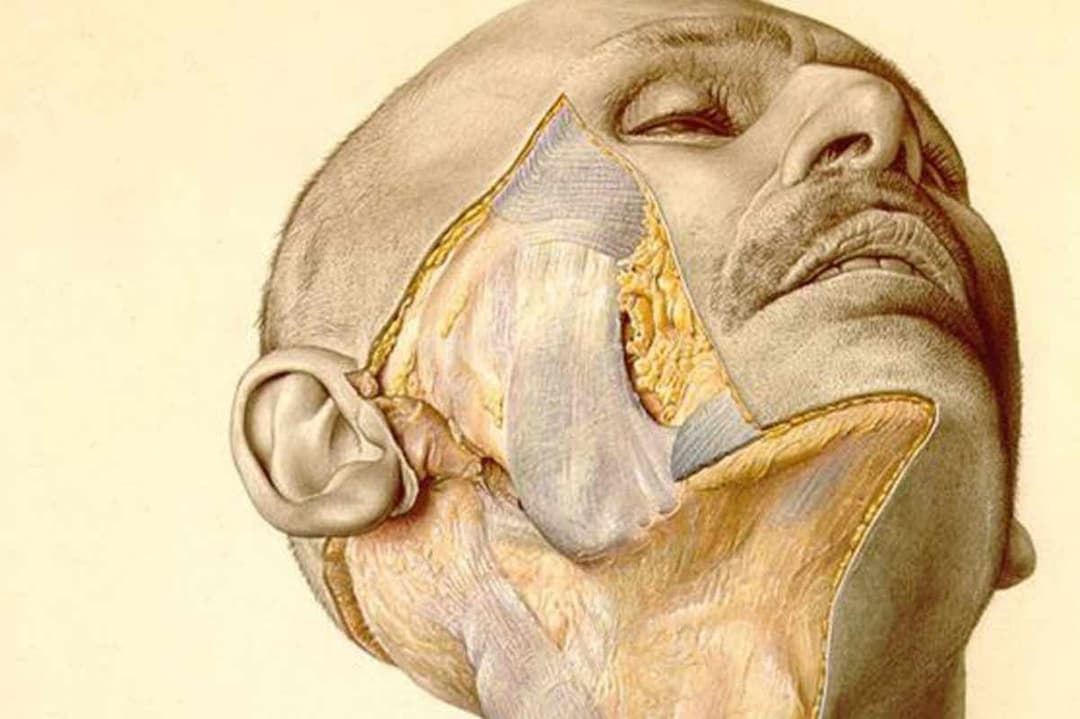
A selection from Pernkopf's Topographic Anatomy of Man - Public Domain

For generations of surgeons, this anatomical atlas has been considered a masterpiece. Its thousands of hand-drawn illustrations are unparalleled in their detail, colour, and precision, revealing the human body layer by meticulous layer.

For surgeons navigating the complex web of nerves in a delicate procedure, the atlas can be an indispensable tool, the difference between success and failure.

But the genius of the book is inextricably linked to its monstrous origin.

Its creator, Eduard Pernkopf, was an ardent and senior Nazi, the dean of the University of Vienna’s medical school. He worked tirelessly for two decades on his magnum opus, using a steady supply of corpses from the Third Reich.

A 1939 law dictated that the bodies of all executed prisoners be sent to the nearest anatomy department. Pernkopf’s institute was often so overwhelmed with bodies from the Vienna guillotine that executions had to be postponed.

At least half of the 800 images in the atlas are of these victims: Jews, political dissidents, Roma, gay men and lesbians. They are the uncredited models for Pernkopf’s work.

The early editions leave no doubt about the book’s ideological alignment; the signatures of the illustrators, Erich Lepier and Karl Endtresser, brazenly incorporate swastikas and the SS insignia.

Today, the atlas presents a profound “moral enigma,” as Holocaust survivor and health law professor Rabbi Joseph Polak describes it. To use the book is to benefit from the ultimate violation of human dignity. Dr. Jonathan Ives, a bioethicist, notes that “if we are using it and reaping the benefits it implies we are somehow complicit.” Yet, not to use it when a patient’s life or limb is at stake seems like an ethical failure of a different kind.

The uneasy consensus, guided by Jewish authorities like Rabbi Polak, is that the images may be used to save human lives, but only on the condition that their horrific history is fully acknowledged.

The story must be told, so that the victims are afforded, in death, some of the dignity they were so brutally denied in life. 

The ethical taint of this era extends beyond physical objects like the Pernkopf Atlas and into the very language of science itself. 

A powerful modern example is the ‘club cell,’ a critical cell type found in the small airways of the lungs. For decades, this was known as the ‘Clara cell,’ named after its discoverer in 1937, the Austrian anatomist Max Clara. However, a historical reckoning revealed that Clara was an ardent Nazi who used tissue from executed prisoners—the regime’s victims—to conduct the research that led to his discovery. Confronted with the fact that using the eponym was equivalent to honoring a scientist for work built on atrocity, the international respiratory science community took action. In 2013, after a consensus by the major medical journals, the name was officially changed to ‘club cell,’ a deliberate effort to strip Clara’s name from the annals of medicine. This linguistic shift serves as a potent reminder that the moral shadow of Nazi science is not merely a historical footnote, but an active ethical issue that modern medicine is still working to address.

–

A prisoner at Dachau Concentration Camp falls into unconsciousness in a special chamber after being subjected to low pressure experimentation (1942) - Public Domain

Conclusion

“The voluntary consent of the human subject is absolutely essential. This means that the person involved should have legal capacity to give consent; should be so situated as to be able to exercise free power of choice…”
The Nuremberg Code (1947)

So, were the Nazi medical experiments useful?

The answer must be an unequivocal and resounding no – with the exception of the Pernkof Atlas.

Scientifically, these experiments were an abyss. The vast majority of the research was pseudoscientific nonsense driven by racial hatred; those experiments with a semblance of a logical goal, like the Dachau studies, were so poorly executed and riddled with fraud as to be scientifically worthless. 

And yet, the findings from this period – like the work displayed in the Pernkopf book – are still used daily.

The paradox is that the real usefulness of the Nazi experiments lies not in their findings, but in their failure.

Their legacy is not a collection of data, but a collection of warnings. The revulsion and shame they provoked in the post-war world forced civilization to build the ethical guardrails that protect us to this day. The Nuremberg Code, the subsequent Declaration of Helsinki, the Institutional Review Boards that now govern all human research—these are the true outcomes of Dachau and Auschwitz. They are the antibodies the world developed in response to that sickness of the soul.

The experiments serve as an eternal lesson in how easily the pursuit of knowledge can become unmoored from humanity, how the language of healing can be twisted into a justification for murder. The ghosts of the victims live on, not in the footnotes of flawed scientific papers, but in the heart of every ethical code that demands consent, respects dignity, and affirms that the pursuit of any goal, no matter how seemingly noble, can never justify the violation of a single human life.

Liked this piece? Have a look at the Berlin Experiences tours that cover this history.

See the Sachsenhausen Camp TourMore articles →

Share this piece

Know someone who still believes it?

Explore in person

Tours that address this myth.

The Invention Of Hell Tour - Berlin Experiences
Full Day5 Hours

The Sachsenhausen Camp Tour

Private 5-hour van tour from Berlin to the Sachsenhausen Memorial for up to 6 people. Starts at your hotel in Berlin.

€975up to 6
View Tour
Ravensbrück Concentration Camp Memorial
Full Day7 Hours

The Ravensbrück Camp Tour

Private 7-hour van tour from Berlin to Ravensbrück, the largest Nazi camp for women, for up to 6 people. Starts at your hotel.

€1,150up to 6
View Tour
The Capital Of Tyranny Tour - Berlin Experiences
Full Day6 Hours

The Capital Of Tyranny

Private 6-hour van tour of Hitler's Berlin and the Third Reich for up to 6 people. Starts at your hotel or anywhere in the city.

€1,000up to 6
View Tour

More reading

The other myths, busted.

49 more — drag, scroll or use the arrow keys.

Soviet troops pose next to the Reichsadler as it once appeared on top of Tempelhof Airport (1934) - Public Domain
Are There Any Nazi Statues Left In Berlin?
US Army soldiers crossing the Rhine (1945) - Public Domain
Could The Western Allies Have Captured Berlin?
Women at Ravensbrück - where Elizabeth Rothschild was imprisoned and died
Did Any Of The Rothschild Dynasty Die In The Holocaust?
Frederick the Great - Der Konig Uberall
Did Frederick The Great Introduce The Potato To Germany?
Adolf Hitler Eastern Front
Did Hitler Escape To Argentina In 1945?
March of SA men in uniform giving the Hitler salute - on their way to Kaffelstein (1933) - State Archives of Baden-Württemberg, Wertheim State Archives SN 70 G 4135
Did Hugo Boss Design The Nazi Uniforms?
Rudolf Hess (1933 & 1945) - Public Domain
Did Rudolf Hess Really Commit Suicide?
Dismantling the German experimental nuclear pile at Haigerloch (April 1945) - Public Domain
Did The Nazis Develop Nuclear Weapons?
Did The Nazis Invent Decaf Coffee? – Mythbusting Berlin
Did The Nazis Invent Decaf Coffee?
German infantry on bicycles during the invasion of the Soviet Union
Did The Nazis Invent The Bicycle Reflector?
The site of the Nazi's Operation Bernhard counterfeiting operation: KZ Sachsenhausen
Did The Nazis Run The Largest Counterfeiting Operation In History?
Surrender of Berlin - 1945
Did The Second World War End In Berlin?
Spanish Flu & the rise of Nazi Germany
Did The Spanish Flu Pandemic Help The Nazis Take Power?
One of the final photos of Adolf Hitler, taken on March 20th 1945 -Public Domain
Have Adolf Hitler’s Remains Been DNA Tested?
Prisoners at Sachsenhausen Concentration Camp attend roll call (1937) - Public Domain
How Did The Nazi Concentration Camps Differ From The Soviet GULAG?
The construction of the first actual Berlin Wall in August 1961 - Public Domain
How Long Did It Take To Build The Berlin Wall?
The remains of the Bürgerbrauhalle after an assassination attempt against Adolf Hitler in 1939 - Bundesarchiv, Bild 183-E12329 / Wagner / CC-BY-SA 3.0
How Many Assassination Attempts On Adolf Hitler Were There?
Evidence of Jewish prisoners at Auschwitz-Birkenau being undressed and led to their deaths - Public Domain
How Many Jews Died In The Holocaust?
A sign at the Berlin Wall in East Berlin (November 1961) declares, “Whoever attacks us will be destroyed," - Public Domain
How Many People Died Trying To Escape East Germany?
Berlin's Nikolaiviertel
How Old Is Berlin?
Adolf Hitler practices his speech techniques
Was Adolf Hitler A Drug Addict?
Adolf Hitler practicing his oratory skills - Public Domain
Was Adolf Hitler A Freemason?
Adolf Hitler practicing his oratory skills - Public Domain
Was Adolf Hitler Gay?
Adolf Hitler practicing his oratory skills - Public Domain
Was Adolf Hitler Jewish?
Hertha Heuwer - the inventor of Currywurst - Public Domain
Was Currywurst Invented In Berlin?
Fanta advertising from the 1940s - Public Domain
Was Fanta Invented By The Nazis?
Frederick the Great at the Battle of Zorndorf by Carl Roechling (1911)
Was Frederick The Great Gay?
Henry Ford
Was Henry Ford A Nazi?
Franz Rudolf Frisching portrait in 1785 in Prussian Blue.
Was The Colour Blue Invented In Berlin?
Döner Kebab
Was The Döner Kebab Invented In Berlin?
Menschen am Potsdamer Platz auf der Westseite der Berliner Mauer am 11. November 1989
Was The Fall Of The Berlin Wall An Accident?
The Nazi Party in parliament (1935)
Was The Nazi Party Democratically Elected?
The Allied bombing of Wesel during the Second World War - Public Domain
Were The Allied Bombings Of Germany War Crimes?
The Oath of the Horatii by Jacques-Louis David - Public Domain
What Are The Origins Of The Nazi Salute?
Members of the Hitler Youth parade in the formation of a swastika to honor the Unknown Soldier. Germany, August 27th 1933 - Public Domain
What Are The Origins Of The Nazi Swastika?
Pink pipes in Berlin - Public Domain
What Are The Pink Pipes In Berlin?
A street battle between revolutionaries and the royal military in the Breite Strasse Street, Berlin during the March 1848 revolution - Public Domain
What Do The Colours Of The German Flag Symbolise?
Adolf Hitler's Alligator - Saturn
What Happened To Adolf Hitler’s Alligator?
German Kaiser Wilhelm II in Bruges, Belgium during the First World War - Public Domain
What Happened To The German Royal Family?
Adolf Hitler (right) and Benito Mussolini (left) in Munich, Germany, 1937 - Public Domain
What Is The Difference Between Fascism & Nazism?
Checkpoint Charlie in 1989
What Was Checkpoint Charlie?
The crowning of Wilhelm I as German Emperor and the birth of Germany in 1871
What Was Prussia?
United States Air Force building a runway for Operation Vittles planes (1948) - Public Domain
What Was The Berlin Airlift?
A close-up of the Socialist Kiss painted on the East Side Gallery - LeO Tiresias
What Was The Socialist Kiss?
Construction of the Berlin Wall at the Brandenburg Gate
Who Built The Berlin Wall?
Soviet flag on the Reichstag - 1945
Who Really Raised The Soviet Flag On The Reichstag?
Inside the Reichstag Plenary Chamber/Image: United States Holocaust Memorial Museum
Who Was Really Responsible For The Reichstag Fire?
The defendants at the Nuremberg Trial (1946) - Public Domain
Who Were The Last Nazis On Trial?
The Brandenburg Gate at night
Why Is Berlin The Capital Of Germany?